Unexpected car trouble can transform a peaceful drive into a stressful ordeal. However, identifying a malfunction doesn't always require a mechanical degree. By combining your senses with modern technology, you can often pinpoint the source of a problem before you even open the hood.
Why start with the owner’s manual (and how to use it fast)
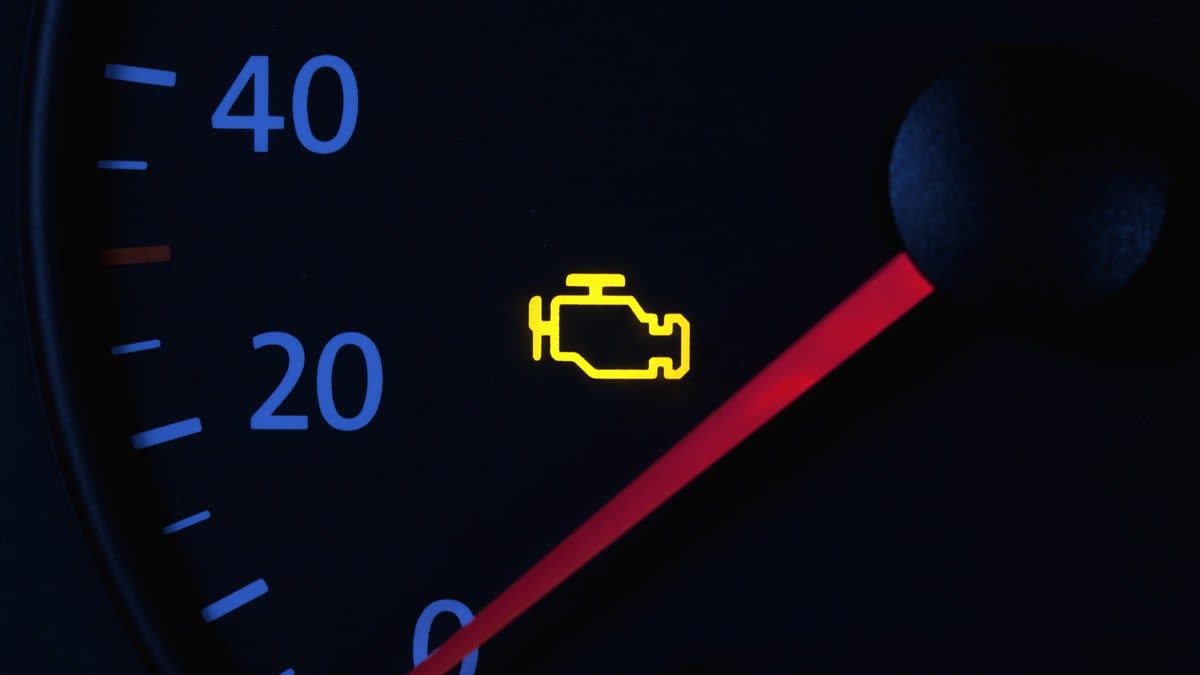
The owner’s manual is the single best first source for diagnosing a problem specific to your make, model and trim. It contains manufacturer warnings, dashboard light meanings, fuse layouts, recommended fluids, and basic troubleshooting steps.
Use it efficiently:
- Find the dashboard/warning-lights section for immediate meanings of symbols.
- Check maintenance schedules and common symptom checklists (e.g., abnormal noises, leaks).
- Look up fuse diagrams and locations before removing or testing fuses.
Faster option: scan or download the manual as a PDF and add it to an AI PDF chat. Then describe the symptoms (lights, noises, behavior) and ask the AI to search the manual for relevant sections, fuse locations, troubleshooting tables, or recommended service intervals. This saves time and helps you focus on the correct system for deeper diagnostics.
What to include when uploading the manual PDF to an AI:
- Vehicle year, make, model, trim, engine type.
- Exact dashboard symbols or error codes shown (take photos if possible).
- Precise symptom description: when it happens, under what conditions, how long, what you’ve tried.
- Any recent work, accidents, fluid fills, or warnings.
Common signs of a car malfunction (what to look for)
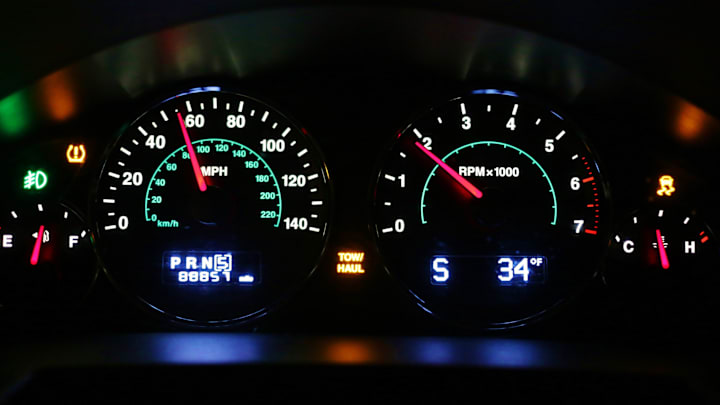
- Warning lights: check engine, ABS, airbag, oil pressure, battery/charging, coolant temperature.
- Unusual noises: knocks, clunks, squeals, grinding, hissing.
- Performance changes: poor acceleration, stalling, misfire, loss of power, surging idle.
- Fluid issues: leaks, low levels, foamy or milky appearance (coolant/oil mixing).
- Smells: burning (electrical/plastic), fuel, coolant (sweet), oil.
- Vibrations: steering wheel shake, body vibration at speed, or during braking.
- Starting problems: slow cranking, clicking, or no response.
Step-by-step troubleshooting workflow
- Read the manual (or upload PDF to AI chat) to interpret warning lights and find system-specific guidance.
- Record the symptoms: time, temperature, engine load, whether it’s repeatable. Photos/videos help.
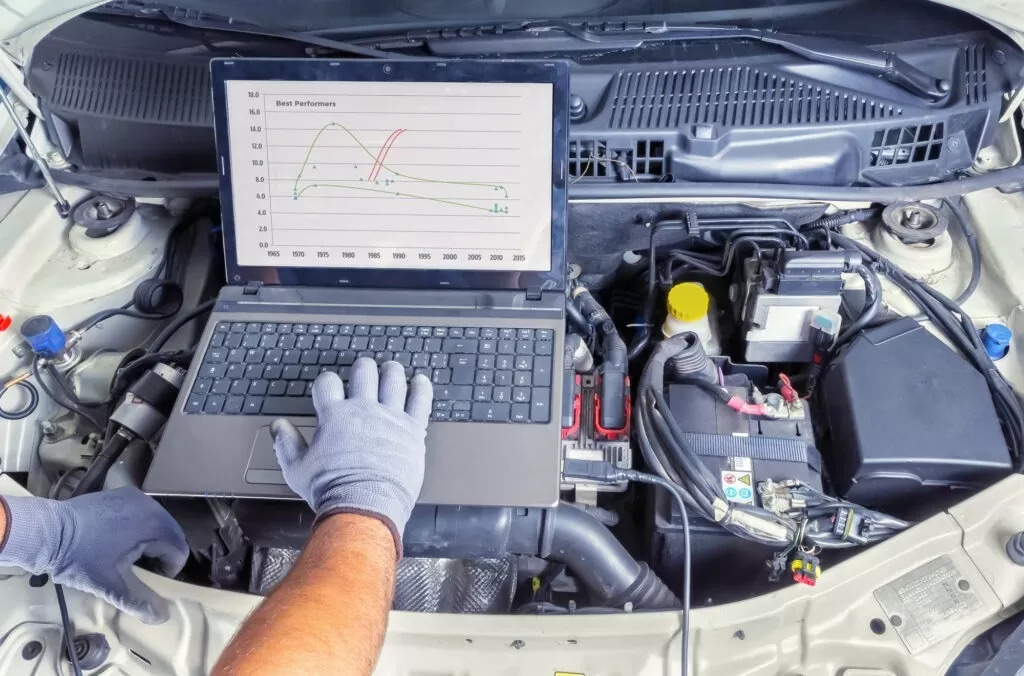
- Scan for error codes: use an OBD-II scanner to read codes (P-codes) and freeze-frame data. Note codes exactly.
- Match symptoms to systems: electrical (lights, battery), engine/fuel/ignition (misfire, stalling), cooling (overheat), brakes/suspension (noise/vibration), transmission (slipping/harsh shifts).
- Perform basic checks: fluid levels/condition, battery voltage, belts, hoses, visible leaks, loose connectors.
- Isolate the fault: swap suspected parts with known-good ones where safe and feasible, or follow the manual’s diagnostic flowchart.
- If code points ambiguous, gather live data: fuel trims, oxygen sensor voltages, engine RPM, coolant temp, intake air temp.
- Decide: repair yourself if it’s simple and safe (battery, bulbs, fuses), or take to a professional for complex, safety-critical, or high-voltage systems.
Tools and resources to speed identification
- OBD-II scanner (basic readers give codes; advanced live-data readers provide PID values).
- Multimeter (battery voltage, continuity, sensor checks).
- Tire pressure gauge, portable vacuum pump, fuel pressure gauge (for specific tests).
- Phone for photos/videos, note-taking, and uploading manual PDF.
- Shop manual or online repair guides (Haynes, Chilton, factory service manual) for step-by-step diagnostics.
- AI chat with the manual PDF to rapidly find procedures, fuse maps, or code definitions.
How to use OBD-II codes effectively
- Always record the exact code(s) (e.g., P0302) and any pending/continuous codes.
- Look up the code meaning for your vehicle — some codes are generic, others manufacturer-specific.
- Use freeze-frame and live data to see conditions when the code set (engine temp, load, RPM).
- Treat codes as clues, not absolute answers: e.g., an O2 sensor code may indicate an upstream fuel/ignition problem.
Quick diagnostic checklist (safety-first)
- Park on level ground, engine off. Use wheel chocks and parking brake.
- Check for dashboard warnings and note them.
- Inspect under the hood for loose caps, disconnected hoses/wires, frayed belts, visible leaks.
- Check oil, coolant, brake fluid, transmission fluid levels and appearance.
- Test battery voltage (12.4–12.7 V at rest is good; <12 V is weak).
- If overheating, don’t open a hot radiator cap; wait until cool or check coolant reservoir level instead.
- Avoid DIY repairs on airbags, high-voltage hybrids/EV components, fuel systems under pressure, or structural damage — seek pro help.
When to seek professional help
- Airbag or ABS light that won’t reset, persistent brake issues, or any safety-system faults.
- Structural damage, collision-related problems, or suspected frame/steering alignment issues.
- Complex diagnostics that require factory tools, software reprogramming, or high-voltage isolation (hybrids/EVs).
- If you’re unsure how to safely remove or test a component.
Sample symptom + diagnosis examples
- Check Engine Light + P0302 code: likely cylinder 2 misfire — inspect spark plug, ignition coil, fuel injector, vacuum leaks, and compression.
- Overheating + low coolant: look for leaks (hoses, radiator), failed thermostat, water pump, stuck fan clutch or electric fan.
- Squealing on acceleration: worn serpentine belt or failing belt tensioner/alternator pulley.
- Battery slow crank + dim lights: battery state of charge/age, alternator charging fault, or heavy parasitic drain.
FAQ
Q: Should I clear codes and drive to see if they return?
A: You can, but clearing codes erases freeze-frame data; record codes first. If the check engine light is flashing, don’t drive — that indicates a severe misfire that can damage the catalytic converter.
Q: Can an AI diagnose my car from a photo or video?
A: AI can help interpret manual content, read visible damage, or suggest likely causes from symptom descriptions, but it won’t replace live-data diagnostics or hands-on tests. Uploading the manual PDF plus photos/videos and OBD codes makes AI help far more accurate.
Q: Is it safe to DIY engine work?
A: Basic maintenance (fluids, filters, bulbs, battery) is generally safe if you follow instructions and safety practices. Avoid high-voltage, fuel-pressure, or airbag systems unless you’re trained.
Final checklist before you act
- Read or upload your owner’s manual PDF to an AI chat and describe the problem.
- Collect exact symptoms, error codes, photos/videos, VIN/year/make/model.
- Run an OBD-II scan and note codes and live data.
- Do basic visual and fluid checks, then follow a manual or trusted guide.
- When in doubt or for safety-critical systems, take the vehicle to a qualified mechanic.

Leave a Reply Cancel reply